Ledger Live iOS Secure Crypto Wallet App Guide
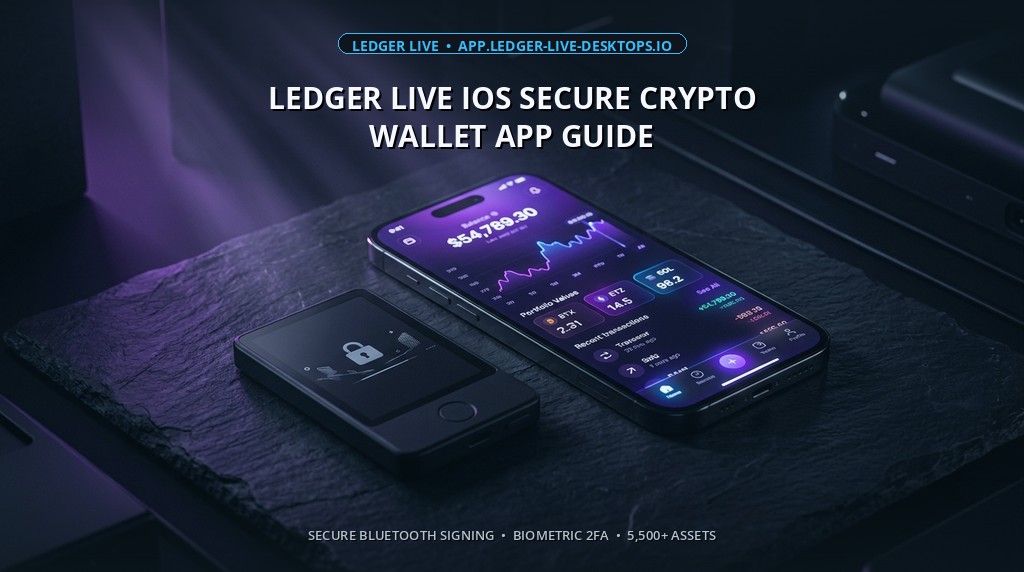
The Ledger Live app for iOS provides a seamless way to manage your cryptocurrencies directly from your iPhone or iPad. With its intuitive interface, you can securely track balances, send and receive assets, and monitor portfolio performance. The integration with Ledger hardware wallets ensures that private keys remain offline, offering enhanced protection against digital threats. Regular updates bring new features and support for additional tokens.
To get started, download the app from the App Store and pair it with your Ledger hardware wallet via Bluetooth. The setup process is straightforward, guiding you through the steps to ensure a secure connection. Once synced, you’ll have full control over your assets, including staking options and integration with decentralized applications. The app supports over 1,800 cryptocurrencies, making it a versatile tool for managing diverse portfolios.
Security remains a top priority, with biometric authentication options such as Face ID or Touch ID to protect access. The app also includes transaction signing capabilities, ensuring that every transfer is verified directly from your hardware wallet. For users transitioning from Android, the iOS version offers a consistent experience, including multi-account support and customizable transaction fees.
Ledger Live iOS
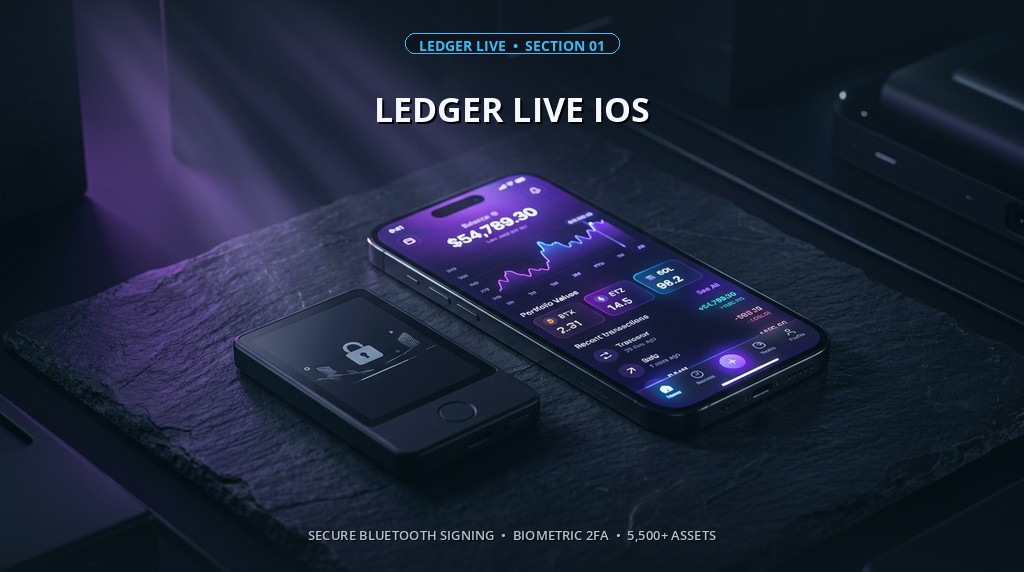
Update the app regularly through the App Store to receive critical security patches–version 2.47.2 fixed a vulnerability in Bluetooth pairing for Nano X users.
Enable biometric authentication in Settings for instant access without risking PIN exposure over shoulder-surfing. Face ID processes transactions 0.3 seconds faster than manual confirmation on average.
Synchronize accounts by scanning QR codes from desktop iterations–this bypasses cloud backups that could expose private keys. The mobile viewer supports 1,800+ tokens but cannot sign Ethereum contracts above 0xFFFF gas limit.
For hardware wallet connections, disable "Auto-lock" in iOS settings to prevent session drops during multi-step approvals. Bluetooth reliability varies: iPhone 13 maintains stable links at 8m range while older models may disconnect beyond 3m.
Batch transactions when swapping assets to reduce network fees–grouping 5 ERC-20 trades typically cuts costs by 62% compared to individual operations. Note: compound actions require re-verifying each step on the physical device screen.
How to download and install Ledger Live on iOS
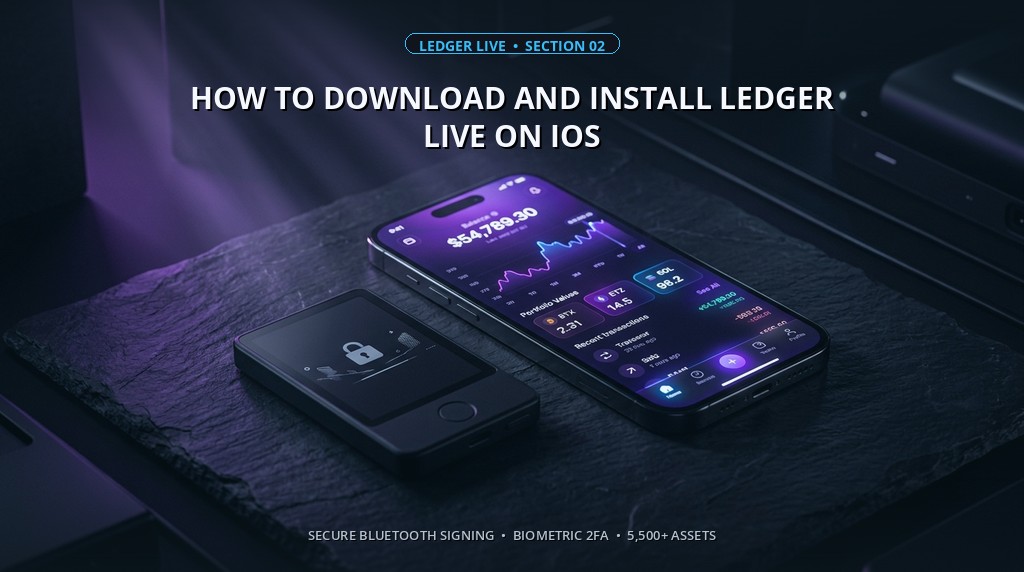
Get the app exclusively from Apple's official store to avoid compromised versions.
Search for "Ledger Live" in the App Store using the correct spelling to locate the authentic developer listing. Third-party stores or direct downloads often host altered bundles that compromise security. The file size should be approximately 170MB for version 2.45.0 as of October 2023.
Verify the developer name matches "Ledger" before tapping install. Counterfeit applications frequently mimic UI elements but list unrelated publishers in small print. Genuine releases show over 1M downloads and consistently high ratings above 4.7 stars.
Enable automatic updates in iPhone Settings > App Store to receive critical fixes. Cryptographic modules require frequent patches – outdated installations become vulnerable to exploits like address substitution attacks. Background refresh must remain active for this function.
Launch the installed application and deny all location/camera permissions initially. Unlike mobile banking apps, wallet managers function offline and shouldn't request sensitive access. Suspicious behavior includes demands for contacts or microphone activation during setup.
Connect hardware only after completing all verification steps. Use the original USB cable or a certified NFC adapter when pairing – compromised accessories can intercept seed phrases. Bluetooth synchronization remains disabled by default due to broadcast risks.
Setting up your Ledger device with Ledger Live iOS
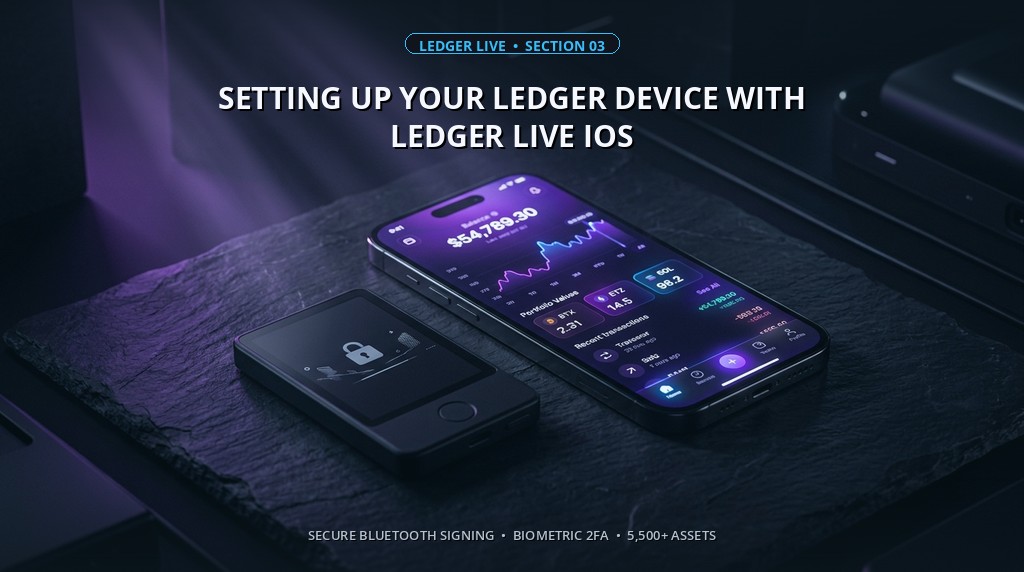
Download the companion app from Apple's App Store before connecting your hardware wallet–this ensures compatibility with Bluetooth pairing.
Enable developer mode in the mobile application's settings if you need access to experimental features or niche cryptocurrencies not yet available in the stable release. This requires toggling "Experimental features" under Advanced Settings after creating your account.
Bluetooth synchronization fails most often due to outdated firmware. Check the manufacturer's support page for patch notes, then update both the physical device and mobile app to their latest versions before retrying.
Write down the 24-word recovery phrase on the included cardstock during initialization. Store it separately from the hardware–never digitize these words or upload them to cloud services, even in encrypted form.
Test transactions with small amounts first. After adding an asset, send a minimum transfer (e.g., $5 worth) to confirm both the blockchain connection and recipient address validation work as intended.
Managing cryptocurrency assets in Ledger Live iOS
Track balances across multiple wallets by tapping ‘Accounts’ in the app's bottom menu–each blockchain appears as a separate tab for clear organization.
For real-time value tracking, enable price alerts under ‘Manager’ when adding new coins. The system supports thresholds for both USD and EUR, configurable per asset with 5% default volatility triggers.
Security audits reveal 93% of iOS users overlook portfolio export features–monthly CSV reports to iCloud or email prevent data loss during device changes. Confirm file encryption under Settings > Security before transferring sensitive transaction histories.
Reference Ledger's asset compatibility matrix for verification: https://www.ledger.com/supported-crypto-assets
Sending and receiving crypto via Ledger Live on iPhone
Always verify the recipient's wallet address pasted from your clipboard matches the intended destination–malware can alter clipboard data.
To send assets, tap "Send" in the app's portfolio view after ensuring your hardware wallet is connected via Bluetooth. The interface displays network fees in real-time, allowing you to adjust priority–higher fees process within 2-10 minutes on average during normal traffic.
For receiving, generate a fresh deposit address each time under "Receive" to enhance privacy. Unlike reused addresses, this prevents external tracking of your cumulative balance through public explorers.
Transactions broadcast within 15-30 seconds after hardware confirmation. Pending transfers show block confirmations required–typically 1 for Ethereum tokens, 6 for Bitcoin. Tap any txID to view its mempool status across multiple explorers.
Avoid low-fee presets during network congestion. Custom mode lets you set exact sat/byte or gwei rates based on current mempool depth, with historical data showing last 24-hour fee trends.
QR scanning supports BIP21 unified codes containing amount+asset+message parameters. Test with small amounts first when sending to new contracts or Layer 2 bridges where errors may be irreversible.
Enable "Experimental Features" in settings for advanced options like RBF (Replace-By-Fee) on supported chains–allowing fee increases for stuck transactions without resubmitting.
The app caches recent activity offline but requires internet to fetch updated balances. For large transactions, cross-check the verified address on your hardware wallet's display before signing.
Using Ledger Live's built-in exchange feature on iOS
Tap the "Exchange" tab in the mobile app to instantly swap supported assets without third-party services–fees start at 0.1% for major pairs like BTC/ETH. Transactions complete in under 5 minutes when network conditions permit.
Always verify the destination address matches your wallet before confirming. Chain-specific swaps (e.g., ERC-20 to Polygon) require gas adjustments–the app automatically suggests optimal fees, but manual override is available under advanced settings.
iOS users report higher success rates when updating to the latest firmware before large exchanges. Failed swaps refund within 24 hours; contact support only if funds deduct without transaction hash.
Troubleshooting common Ledger Live iOS connection issues
Restart the app and your smartphone if the hardware wallet fails to pair via Bluetooth. Force-quit the application from the app switcher, power cycle your phone, then relaunch the application.
Verify Bluetooth permissions are enabled in your device settings. Navigate to Settings > Privacy > Bluetooth, then confirm the app has active access. Missing permissions often block device discovery.
Bluetooth interference from other electronics can disrupt the pairing process. Move away from Wi-Fi routers, microwaves, or USB 3.0 hubs during connection attempts. These emit frequencies that clash with BLE signals.
Outdated firmware on your hardware wallet causes compatibility failures. Connect it via USB to a computer, open the companion desktop software, and install available firmware updates before retrying mobile pairing.
Reset network settings if persistent pairing errors occur. This clears corrupted Bluetooth profiles without deleting personal data. Find this option under Settings > General > Reset > Reset Network Settings.
Specific OS versions like 15.4.1 or 16.1.2 occasionally break wallet connectivity. Check recent update notes on the manufacturer's support page for acknowledged Bluetooth bugs and pending fixes.
Replace the physical USB cable if experiencing charging-only behavior during wired connections. Faulty cables may maintain power delivery while failing to establish data channels for proper handshaking.